You’re stuck.
Something needs to change.
Your team needs to figure it out together.
You have an idea, but it’s still just an idea.
Everyone is solving the problem they’ve been given.

I help people see things differently, think together and create what’s next.
Bring me a challenge →You’re stuck.
Something needs to change.
Your team needs to figure it out together.
You have an idea, but it’s still just an idea.
Everyone is solving the problem they’ve been given.
I create the conditions for people to see differently, think together and make something possible that wasn’t before.
That might mean research, reframing, facilitation, design, prototyping, strategic thinking or helping an idea take shape. The form changes. The movement doesn’t.
SHIFT 001 / ORIGIN STORY
I thought video games got me interested in computers. Forty-five years later, I realized they taught me something else: how to see what something could become.
Read the shift →Things look different from here.
Stories, observations and experiments in seeing differently—how problems get reframed, ideas become clearer, and people find a way forward.
Explore all shifts →Curious before certain.
Human before process.
Participatory, not performative.
Playful when it helps.
Always trying to find the better question.
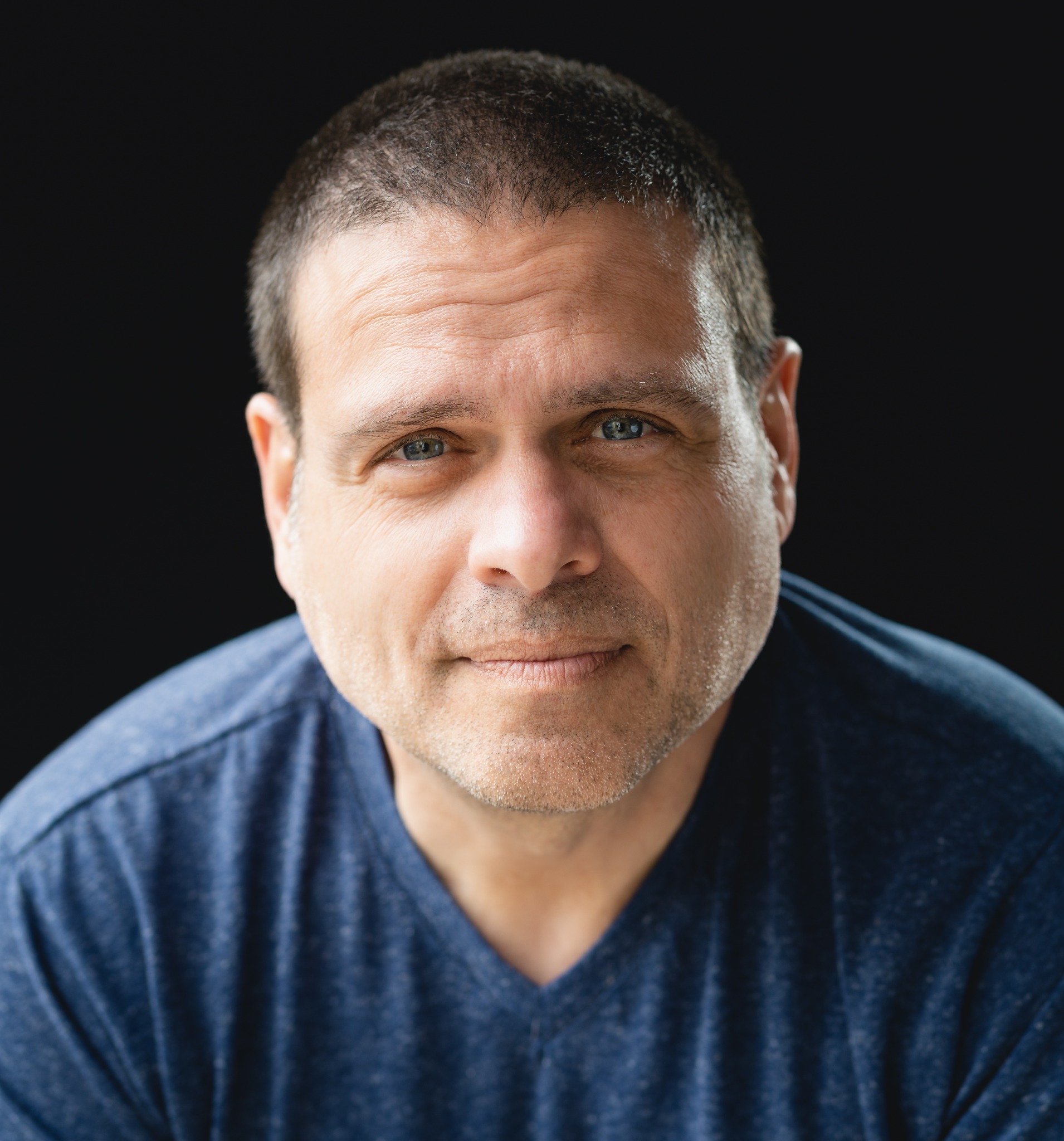
A strategist, facilitator, designer and lifelong provocateur. I’ve spent 25+ years working where human needs, business, technology, design and organizational complexity collide.
Complex problems rarely stay inside one discipline. Neither do I.
More about me →The thing you’ve been circling. The opportunity you can feel but can’t quite see. The question everyone thinks has already been answered.
Let’s provoke something →